
Learn From Scenarios
This page is devoted to using resources to teach practical biking medicine.
Knocked Out Tooth
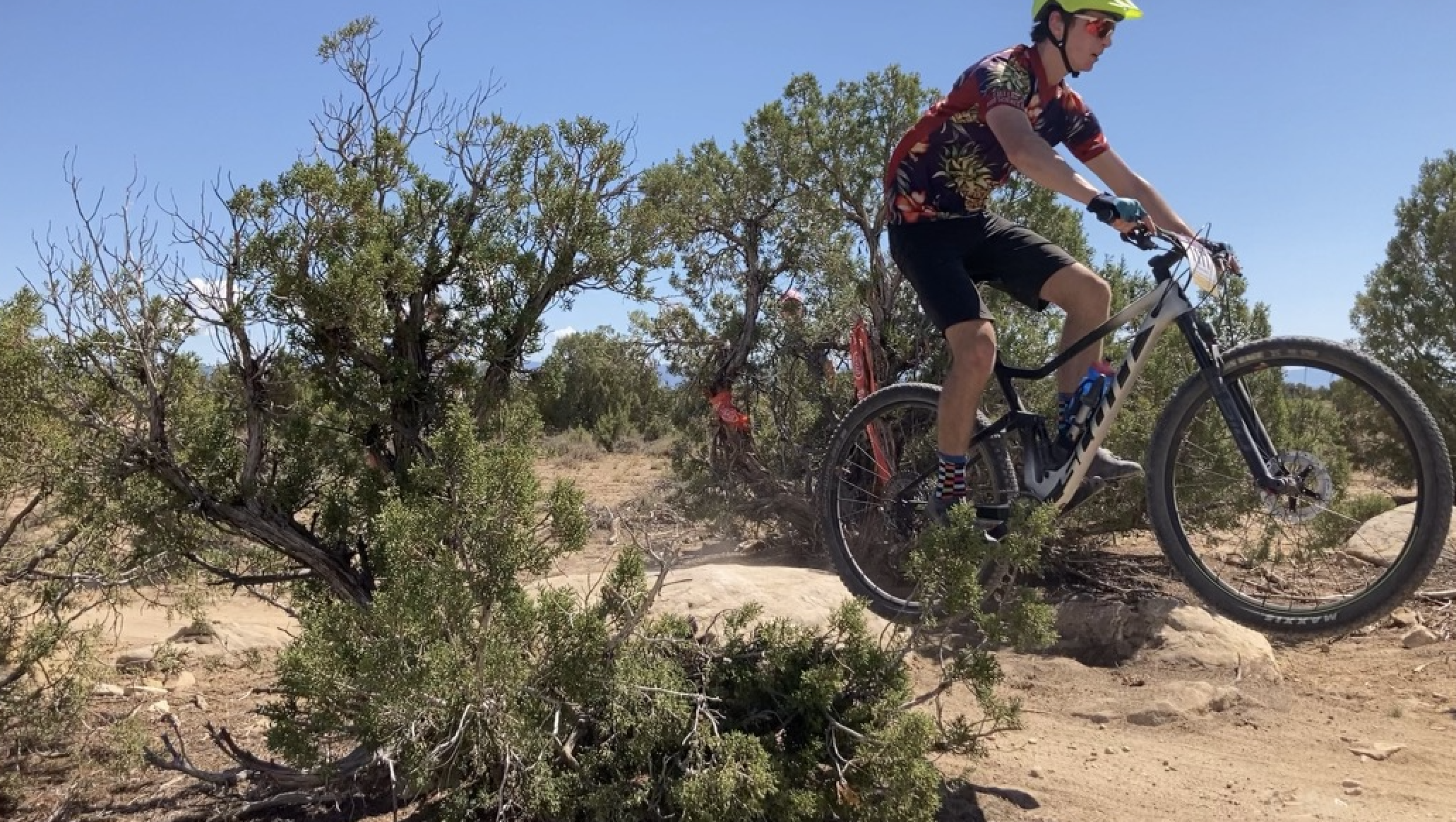
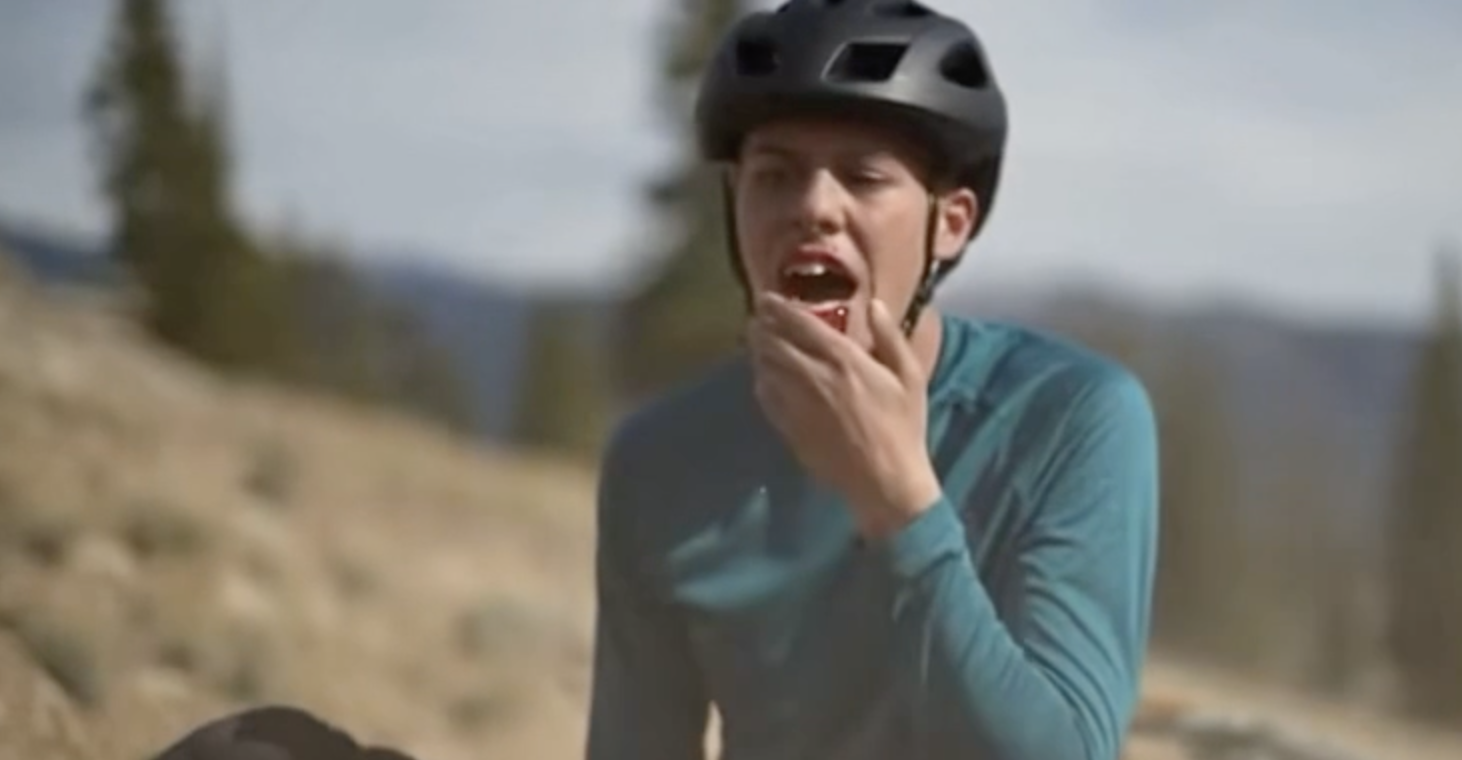
In this scenario a rider falls, and hits the front of his mouth. A tooth is knocked out. He appears to be ok except that the tooth is gone. He is bleeding.
Press + for answers
-
What do you do first? Move off the trail and if you are with other riders post someone to warn oncoming riders. Perform a primary survey to assess other injuries. If you don’t need to treat other injuries, you can now focus on reimplanting the tooth.
-
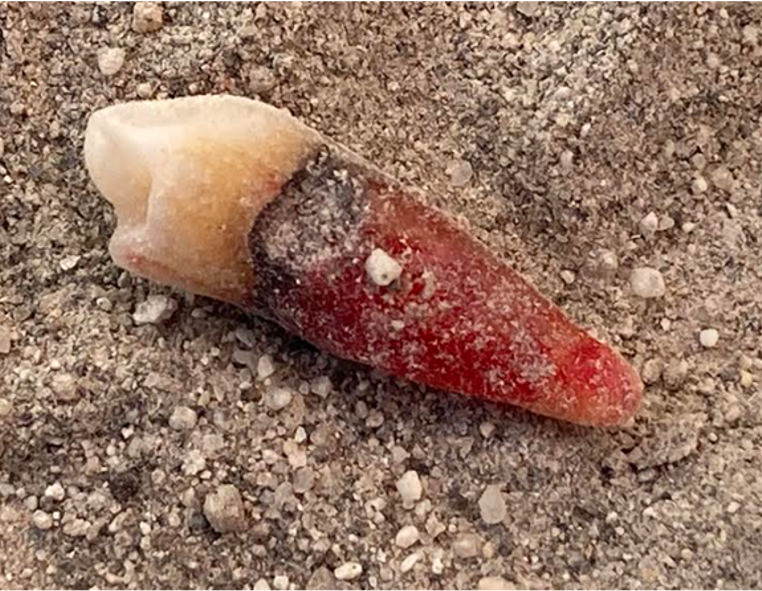
Find the tooth. Take look at the image of a tooth lying in dirt so you know what it looks like. Once it is found, the best thing to do is to try to put the tooth back in its socket, so be careful of the tooth. A tooth can survive with a high rate of success if reimplanted in the first 20 minutes after the accident. This isn’t always practical when you consider the amount of time needed to assess the situation, secure the trail, survey the patient, find the tooth, prepare the tooth and socket, and get the tooth back into the socket. While not ideal, the prognosis is still good if this can all be done quickly.
-
Step I – Find the tooth. This might be difficult. Only handle the tooth by the crown, the roots have periodontal ligament cells that need to be preserved so that the tooth can reattach once it’s back in the socket.
Step 2 – Clean the tooth. On the trail you may need to use whatever liquids you have available. First choice is water. Simple rinse the tooth to remove dirt or other particles. If you have some stubborn pieces of gravel etc. you can gentle pick those off. DO NOT scrub the root.
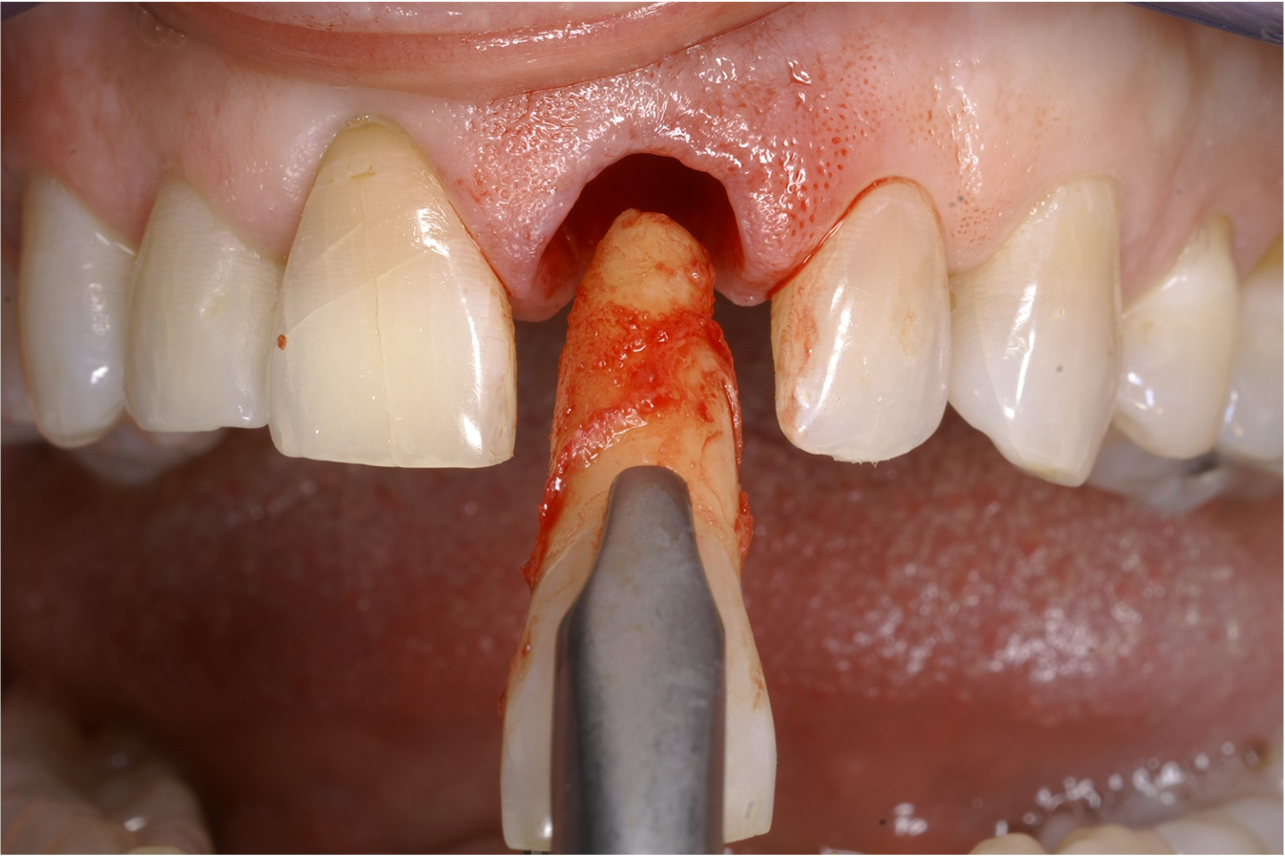
Step 3 – Manage the Socket. The socket will bleed and eventually the blood will clot. If it looks clean implant the tooth. If you can see a clot has formed have the rider rinse vigorously with water to loosen the clot. You can also try to squirt the socket if possible. Once clean the tooth should go right in. Keep moderate pressure on the tooth to help seat it into place.
Step 4 – Stabilize the tooth. The tooth may still be mobile and want to ‘fall out.’ The rider may need to hold the tooth in place with a tongue or finger until they get to a dentist.
-
IIf you cannot reimplant the tooth, take the patient and the tooth to the dentist as quickly as possible. Unfortunately, there is not a good liquid that is also commonly taken to the race or when riding. The best solution to store a tooth in as you get the rider to a dentist is Hank’s Balance Salt Solution. But you would have to have purchased this. So here are some other solutions that can be used with approximate storage times to keep the tooth and its ligaments alive.
Milk is the best choice: 4-8 hrs.
Coconut water is very good: 1-3 hours
Salvia can be used in a pinch: 1 hour
Sports Drinks are bad and should be used as a last resort: 20 – 30 min
Water – Unfortunately storing a tooth in water destroys cells at the root of the toot, but it can be used to rinse the tooth
Thunder
In this scenario, thunder and lighting are observed during a race. It is not raining yet.
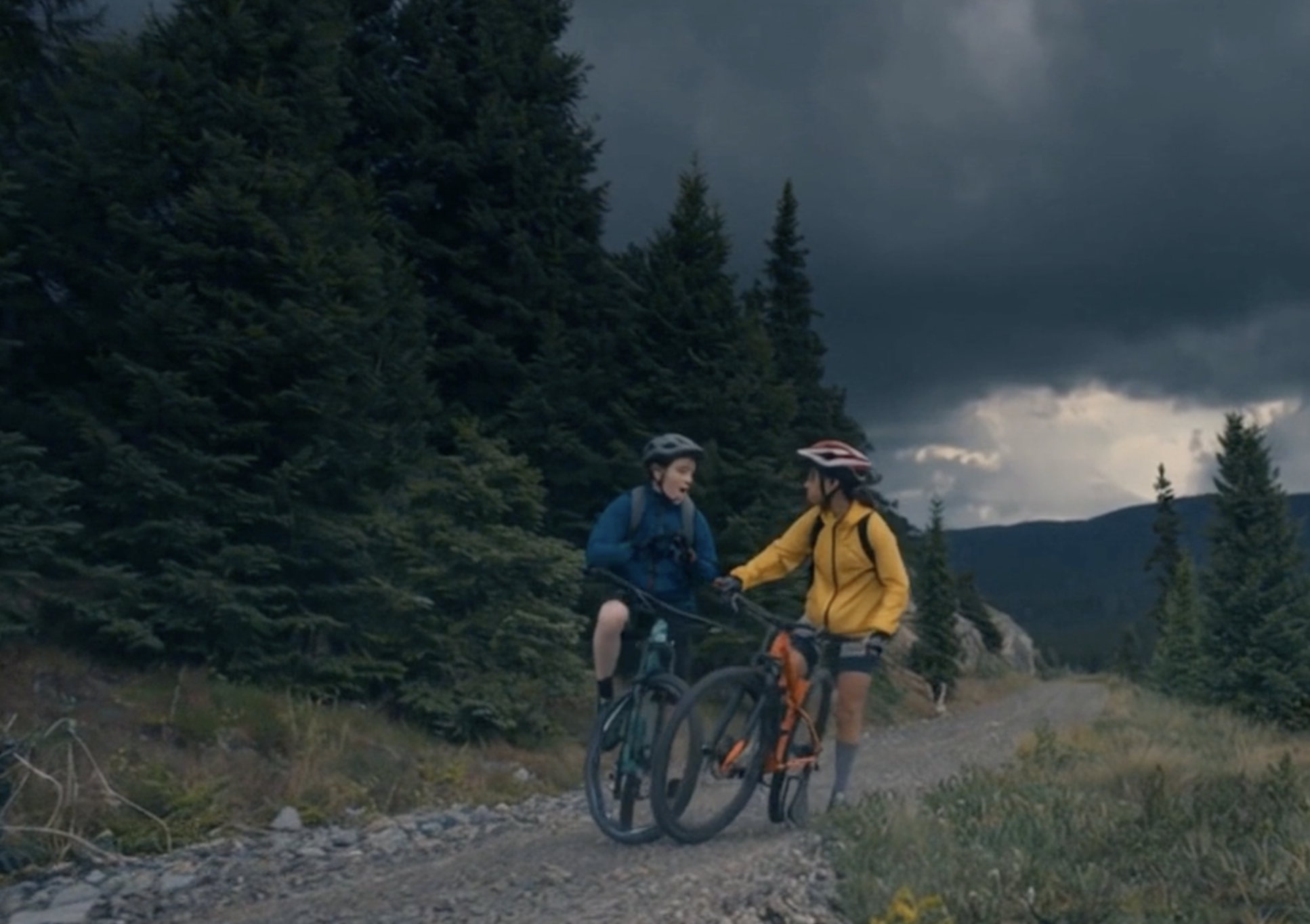
Press + for answers
-
Riders, coaches, families all need to go to the cars. DO NOT GO TO THE TEAM TENT. If lightning were to strike the poles or the ground near the tent, multiple injuries or deaths could occur. While a tent will protect you from rain, it actually increases the risk of lightning injures and death.
-
This is an old term which has no meaning. Remember, when you hear lightning go to the cars and get in.
-
There is no safe place outdoors. You need to go inside or into a car or truck. Cars and trucks are very safe in a lighting storm. in fact, they are one of the safest places to be. They are protected from ground strikes, and if a bolt hits the vehicle, lighting will pass around on the outside, protecting the people inside.
Concussion
In this scenario a biker has fallen and hit his head. He is wearing a helmet He may have a concussion.
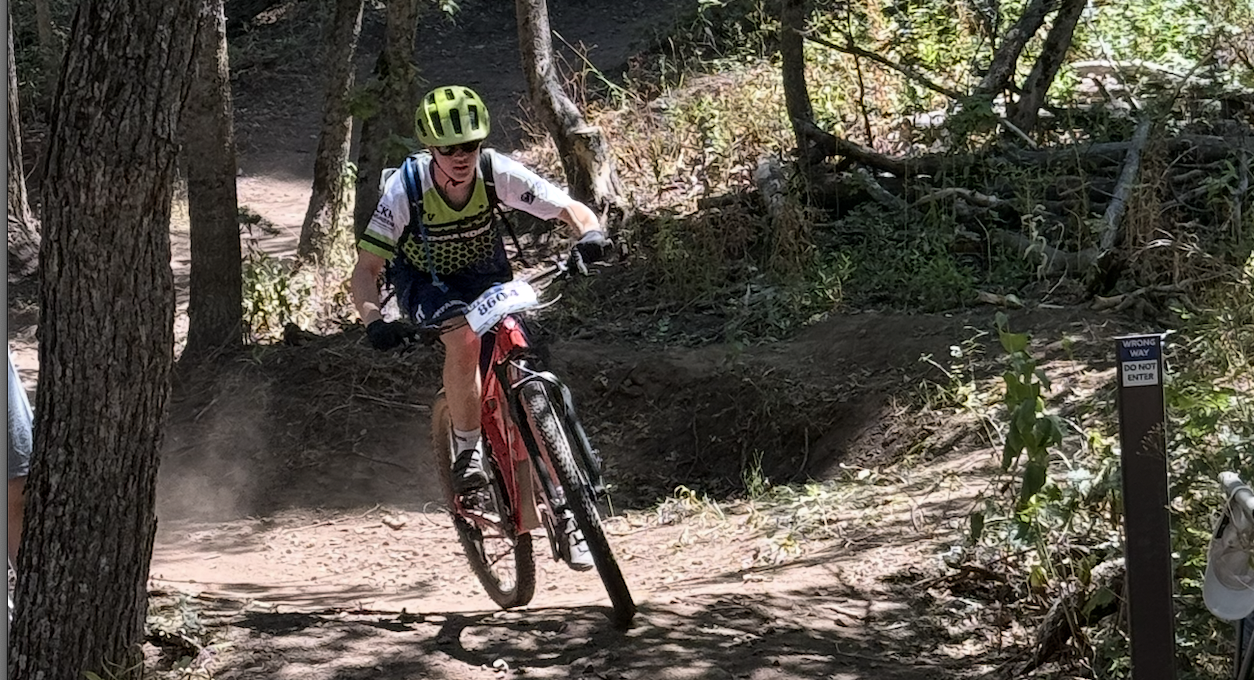
The rider has crashed and seems to have fallen heavily on their head. Upon initial inspection, it appears that they have sustained a concussion. The rider is dizzy, confused and nauseous.
-
Assess to make sure the rider did not sustain any other injuries specifically to the neck/spine area. If injury to the neck or spine is suspected, make sure the rider does not move and that they keep their neck still and call 911 immediatley. But if the rider is safe to move around, move off the trail.
-
Assess symptoms by asking these questions
Did they lose consciousness?
Are they alert?(slurred speech, impaired vision, confusion, etc)
Do they have a severe headache?
Allow the rider to rest and sit still.
Don’t risk further injury. Don’t let the rider ride their bike for the rest of the trail. Hike out if the rider is able to. Stop for rest when needed. If the concussion seems severe or symptoms worsen, and time becomes an important factor, call 911 and/or search and rescue.
Seek medical attention as soon as possible once off the trail.
-
Mountain bike racers should wear helmets because crashes at high speeds or on technical terrain can cause serious head injuries, including concussions and skull fractures. A properly fitted helmet significantly reduces the risk of traumatic brain injury and can be the difference between walking away from a fall and sustaining life-altering damage. They are required for all NICA riders
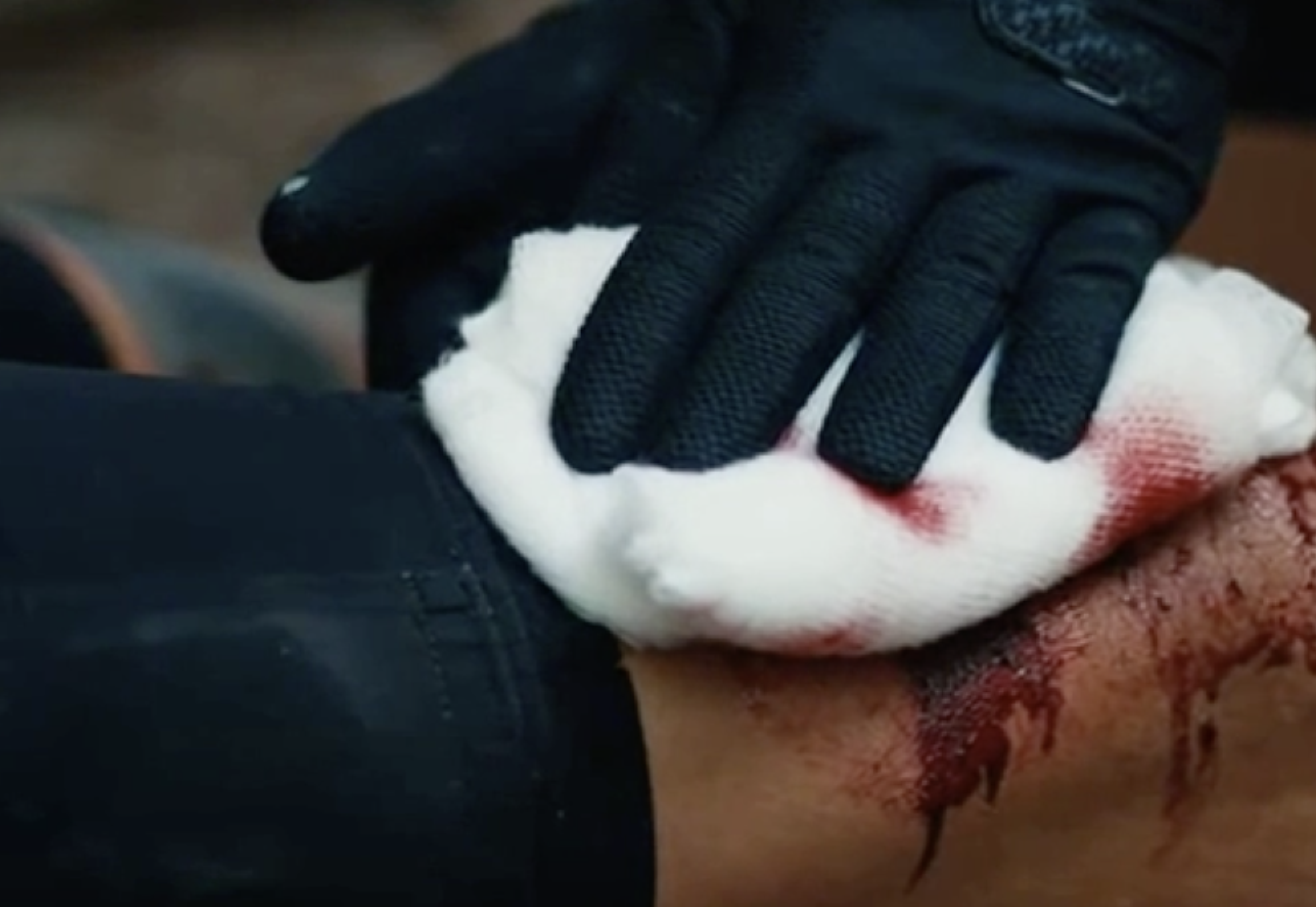
In this scenario a biker has fallen and has an abrasion that is bleeding on the thigh.
Wound Managment
-
Assess the bleeding and make sure there is no excessive bleeding.
Apply direct pressure with a clean cloth if there is substantial bleeding.
Clean the wound with water and soap if possible. Water is sufficient enough until you are off the trail.
Remove any shallow debris or objects.
If there is something embedded deep in the wound, leave it and go immediately to the emergency room(ER). Removing it can cause further damage or bleeding.
Cover the wound with a clean cloth until off the trail.
-
Once a first aid kit is available, clean the wound and apply antibiotic ointment. Cover the wound with clean/sterile bandages.
If the wound is large and/or deep, seek further medical treatment at your local clinic or ER.
-
Wear gloves, pads and other protective equipment to protect the skin
Falls are inevitable on the trail, be prepared and always have a small first aid kit on hand
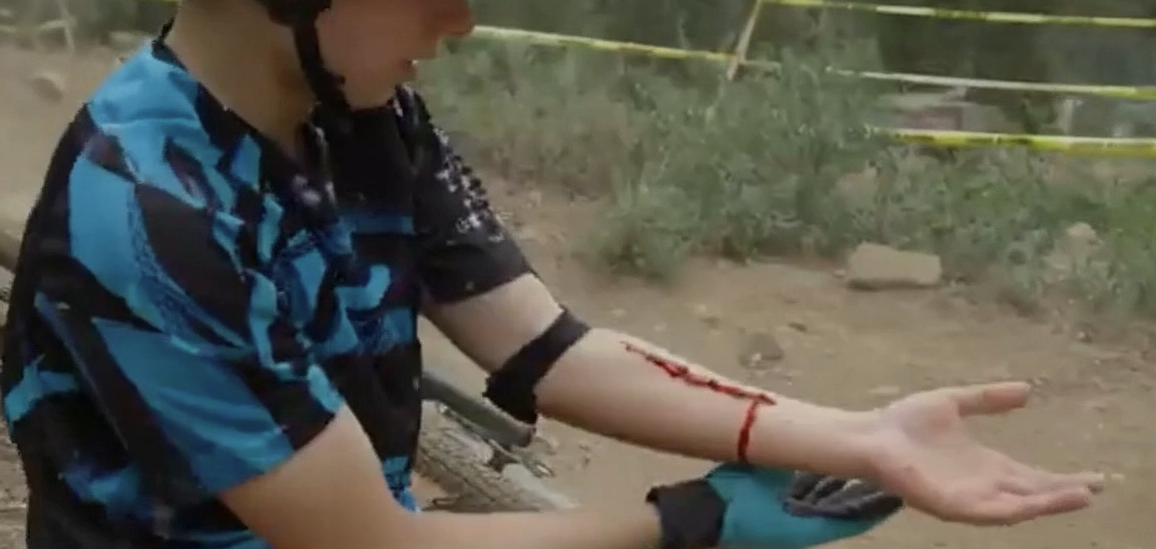
This abrasion needs medical care. Stop the bleeding, clean the count and cover it until definitive care is obtained.
Foreign Body
In this scenario a small speck of dirt has landed in the riders eye.
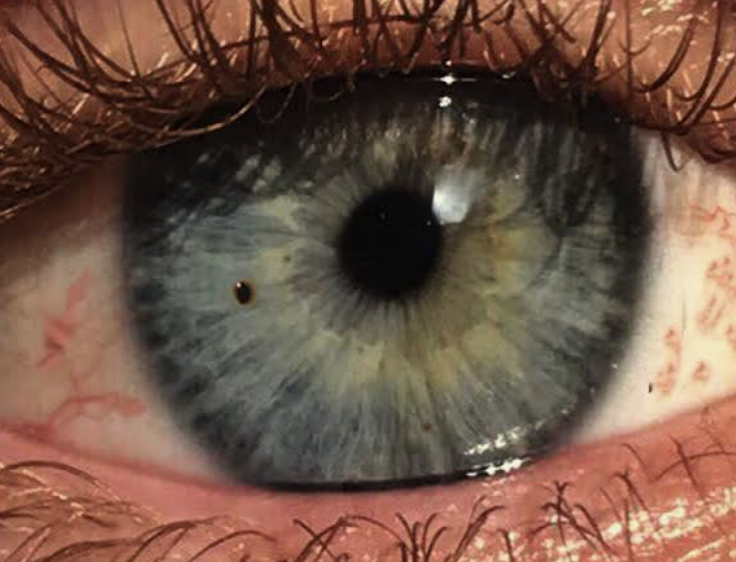
Anything that gets into the eye is very irritating.
-
Wash hands with soap and water if possible.
Inspect the eye to see what types of debris are there.
Flush the eye with water Water bottles are excellent for this.
Blink frequently
If the debris has embedded itself in the eye, do not remove and cover the eye. Seek medical attention immediately once off the trail.
-
Wear protective glasses. Make sure they cover the eyes to protect them from debris.
Heat Exhaustion
In this scenario, A rider complains that they are feeling unwell and hot. They stop riding and collapse to the ground. It seems that they are suffering from heat exhaustion.
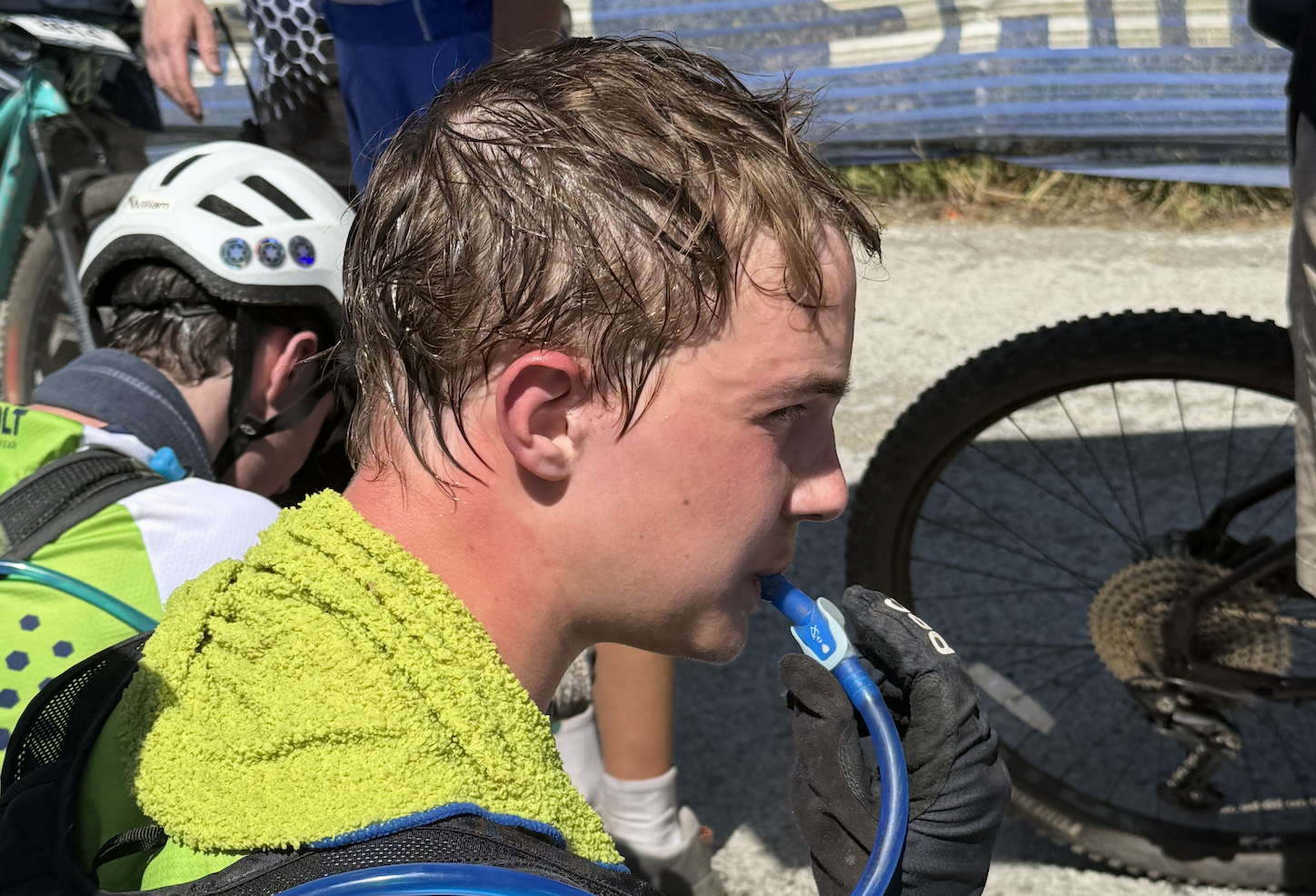
This rider is way too hot. You need to get heat of of his body by making him wet, fanning him and getting him into the shade.
-
Get heat out of his body!
Provide shade!
Have them lie down and remove any unnecessary or restricting clothing.
Apply cool towels, ice packs, and fans to cool off the body if available. You can pour water on them as well. GET THEM WET!
Have the rider drink fluids(water and electrolyte drinks) in small sips.
Fan him!
Encourage the rider to rest.
Do not leave the rider alone at any time.
-
Monitor the rider's condition for vomiting/ability to maintain fluids, consciousness, alertness, and body temperature.
If condition starts to improve, have the rider maintain continuous hydration, stay cool and rest.
If the condition worsens or doesn't improve over 30 min, seek medical attention immediately.
-
Stay hydrated. Make sure everyone stays hydrated by drinking water and electrolytes constantly.
Avoid high temperatures when possible.
Don’t wear excessive/unnecessary clothing.